

How AI-Powered Design Personalization Enhances Website Development Efficiency

AI Design Personalization for Efficiency

As businesses strive to differentiate themselves in a saturated digital environment, the integration of AI into web design personalization emerges as a pivotal strategy. This evolving landscape not only enhances user experiences but also significantly boosts conversion rates. What can your business gain from leveraging AI technologies? Let’s explore the essential insights.

What You Will Learn

  • AI-powered design personalization transforms user experiences by tailoring website interactions to individual preferences.
  • Machine learning algorithms can analyze user behavior, allowing for more informed design choices that enhance engagement.
  • Integrating recommendation engines helps deliver personalized content and product suggestions, improving user satisfaction.
  • Behavioral analytics uncover insights that guide design adaptations, leading to increased user retention and conversions.
  • Automation in design processes reduces development time by 30%, enabling teams to focus on creativity and strategy.
  • Predictive analytics can forecast user behaviors, leading to proactive engagement and tailored user journeys.
  • Real-world case studies demonstrate significant sales increases and improved engagement through AI-driven personalization strategies.

AI-Driven Design: Efficiency, Growth, and User Retention

This visual highlights the measurable benefits of AI-powered personalization in web design, focusing on key improvements in development time, conversion rates, and user retention.

Key Benefit:
Reduction in Development Time

30%

Automation speeds up processes significantly.

Key Benefit:
Increase in Conversion Rates

20%

Personalized experiences effectively guide users.

Key Benefit:
Improvement in User Retention

15%

Enhanced user experiences keep visitors coming back.

Understanding the Role of AI in Web Design Personalization

In today's fast-paced digital world, AI-powered design personalization plays a crucial role in how we create engaging and effective websites. By leveraging technologies like machine learning and recommendation engines, we can tailor web experiences that not only meet but exceed user expectations. At Cling Digital, we've seen firsthand how these innovations can help small to mid-sized businesses stand out in a crowded marketplace. You can also explore how hybrid branding merges creativity and AI for even greater impact.

Machine learning, for instance, allows us to analyze vast data sets and identify patterns in user behavior, which can directly inform design choices. Recommendation engines dynamically personalize content based on individual user preferences and actions. This creates a more relevant experience for visitors, enhancing their connection with the brand.

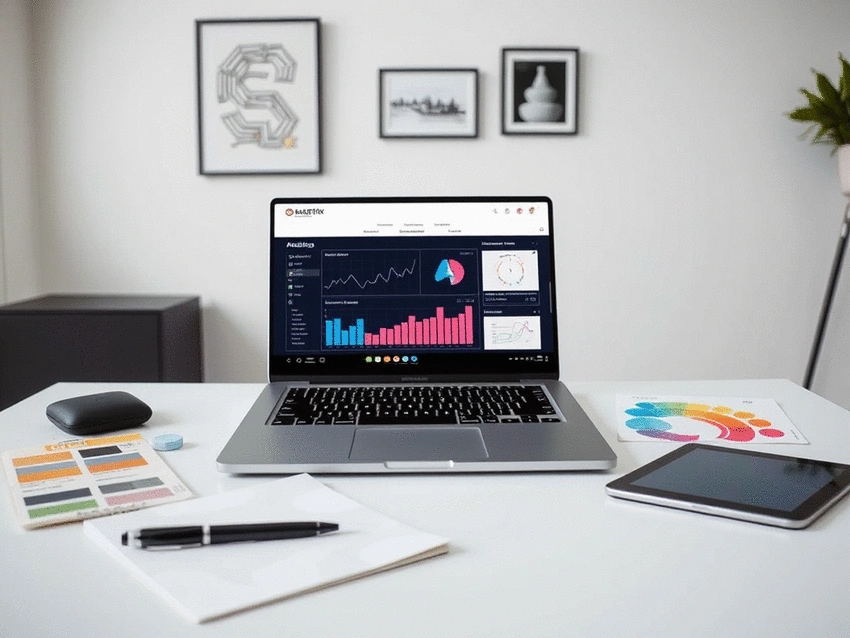
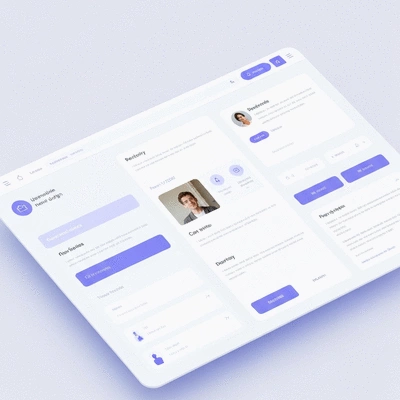
Modern website interface with AI-driven personalized content sections, clean image

Defining AI-Powered Design Personalization

AI-powered design personalization is all about optimizing the user's experience by adapting the digital environment to their specific needs. Here are key concepts that illustrate its power:

  • Machine Learning: Algorithms that improve through experience, helping to predict user preferences.
  • Recommendation Engines: Systems that suggest content or products based on user interactions.
  • Behavioral Analytics: Tools that analyze user actions to uncover insights and inform design decisions.

By integrating these elements, businesses can create websites that resonate with users, increasing engagement and driving results.

Key Components of AI in Website Development

At Cling Digital, we focus on essential components that make AI integration seamless and effective. Understanding these components can greatly enhance your web development process:

  • Automation: Reducing manual tasks, enabling designers to focus on creativity and strategy.
  • Dynamic Layouts: Adapting content presentation based on user behavior and preferences.
  • User Experience Enhancements: Tailoring interactions to improve satisfaction and retention.

These key elements not only speed up the development process but also empower businesses to deliver a more engaging online presence.

The Importance of User Behavior Analysis in Personalization

Understanding user behavior is critical for effective design personalization. By analyzing how users interact with a website, we can derive actionable insights that inform design strategies. Here’s why this is important:

  • Personalized Experiences: Adapting design elements based on user preferences creates a more enjoyable experience.
  • Increased Engagement: Tailoring content and layouts keeps users interested and encourages longer visits.
  • Higher Conversion Rates: Understanding what users want can directly lead to improved sales and actions.

Ultimately, the goal is to create a website that feels intuitive and responsive to the user's needs—something that we strive for at Cling Digital with every project we undertake. For more insights, check out our guide on AI tools for website personalization.

Quantifying Efficiency Gains from AI-Driven Design

Measurable Benefits of AI-Powered Personalization

As we delve into the effectiveness of AI in web design, it’s vital to look at the measurable benefits that these technologies bring. From reducing development time to boosting conversion rates, the numbers tell a compelling story:

  • 30% Reduction in Development Time: Automation speeds up processes significantly.
  • 20% Increase in Conversion Rates: Personalized experiences effectively guide users towards desired actions.
  • 15% Improvement in User Retention: Enhanced user experiences keep visitors coming back for more.

These statistics prove that AI-driven personalization not only makes websites more appealing but also contributes to the bottom line.

Case Studies Highlighting Success Stories

Let’s take a look at some real-world examples where companies have successfully implemented AI-driven design personalization. These case studies highlight the transformative impact of AI on web development:

  • E-commerce Leader: A major retailer saw a 25% increase in sales after introducing AI recommendations for products.
  • Media Company: By utilizing behavioral analytics, a media outlet increased user engagement by 40% through customized content feeds.
  • Travel Site: A travel booking site improved conversions by 35% after personalizing user journeys based on previous searches.

These examples illustrate how AI can dramatically shape the user experience and drive business success.

Leveraging Predictive Analytics for Improved User Outcomes

Predictive analytics is another powerful tool in the realm of AI-driven design personalization. By analyzing past user behavior, businesses can anticipate future actions, leading to more effective design decisions. Key benefits include:

  • Enhanced User Journeys: Tailoring experiences based on likely user paths increases satisfaction.
  • Informed Design Decisions: Data-backed insights guide the creation of features that truly meet user needs.
  • Proactive Engagement: Reaching out to users with personalized content can drive higher interaction rates.

Ultimately, leveraging predictive analytics ensures that businesses not only meet current demands but also anticipate future trends, positioning themselves ahead of the competition.

Interactive Poll

As we delve deeper into the impact of AI on web design, we’d love to hear your thoughts! How do you feel about AI-driven personalization in web design?

Summarizing the Benefits of AI-Powered Design Personalization

At Cling Digital, we believe that AI-powered design personalization is a game-changer for businesses looking to enhance their digital presence. By leveraging AI technology, you can streamline your web development process and significantly improve user experience. This combination not only saves time but also delivers tailored experiences that resonate with your audience.

Professional team collaborating on a web design project, clean image

So, what are the specific advantages? Let's break it down:

  • Increased Efficiency: With AI automating repetitive tasks, your team can focus on higher-level creative strategies.
  • Enhanced User Experience: Personalized design leads to a more engaging and relevant user journey, increasing customer satisfaction.
  • Faster Turnaround: Utilizing AI tools means quicker project delivery, allowing you to adapt to market changes rapidly.
  • Higher Conversion Rates: Data-driven personalization can lead to improved conversion rates as users find exactly what they need.

Integrating these AI capabilities into your projects is not just about keeping up with technology; it's about staying ahead in a competitive market. The efficiency and user experience improvements are compelling reasons for small to mid-sized businesses to embrace AI in web design.

Next Steps for Implementation

Ready to take the leap? I encourage you to download our proposed checklist for integrating AI tools effectively in your web development projects. This resource will help guide you through the steps of choosing the right tools, understanding your data needs, and setting up your design process for success.

By following this checklist, you'll ensure a smooth transition into AI-powered design personalization, giving your brand the boost it needs to thrive in today's digital landscape. Don't miss the opportunity to elevate your website's performance!

Exploring Future Trends in AI and Web Development

As we look ahead, the intersection of AI and web development continues to evolve. Emerging technologies, such as cloud computing and advanced neural networks, are set to revolutionize how we approach design personalization. These innovations will enable even more refined user experiences, allowing websites to adapt in real-time to user behaviors and preferences. For a deeper dive into how AI shapes brand identity, consider reading about AI's impact on brand identity.

Staying informed about these trends is crucial for businesses that want to remain competitive. By embracing the latest advancements, you can ensure that your brand remains relevant and continues to meet the ever-changing needs of your audience.

Recap of Key Points

Here is a quick recap of the important points discussed in the article:

  • AI-powered design personalization enhances user experiences by tailoring web environments to individual needs.
  • Key components include machine learning, recommendation engines, and behavioral analytics that inform design decisions.
  • Understanding user behavior is crucial for creating personalized experiences that lead to increased engagement and higher conversion rates.
  • AI integration can significantly reduce development time and improve user retention rates.
  • Real-world case studies demonstrate the effectiveness of AI-driven design personalization in boosting sales and engagement.

Frequently Asked Questions (FAQs)

AI-powered design personalization uses artificial intelligence, including machine learning and recommendation engines, to adapt a website's layout, content, and interactions to individual user preferences and behaviors, thereby enhancing the user experience.

Key benefits include a significant reduction in development time (up to 30%), an increase in conversion rates (up to 20%), and improved user retention (up to 15%). AI also enhances user engagement, provides personalized content, and automates repetitive tasks.

Machine learning algorithms analyze vast amounts of user data to identify patterns in behavior, preferences, and interactions. This data then informs design choices, allowing websites to dynamically adapt and offer more relevant and engaging experiences to each user.

Absolutely. AI-driven personalization allows smaller businesses to create highly competitive and engaging online presences without necessarily needing large teams. By optimizing user experience and conversion rates, AI helps them stand out and retain customers in a crowded digital marketplace.

Predictive analytics uses historical data to forecast future user behaviors and trends. In web design, this means anticipating what a user might want or do next, allowing for proactive adjustments to content, layout, or recommendations to create a smoother, more satisfying user journey.