


Selecting AI Branding for Richmond
By Evelyn Carter / Jun 18
What if your brand's identity could speak volumes about your mission and values without saying a word? Understanding the harmony between brand strategy and brand identity is key to creating a lasting impression in the marketplace.
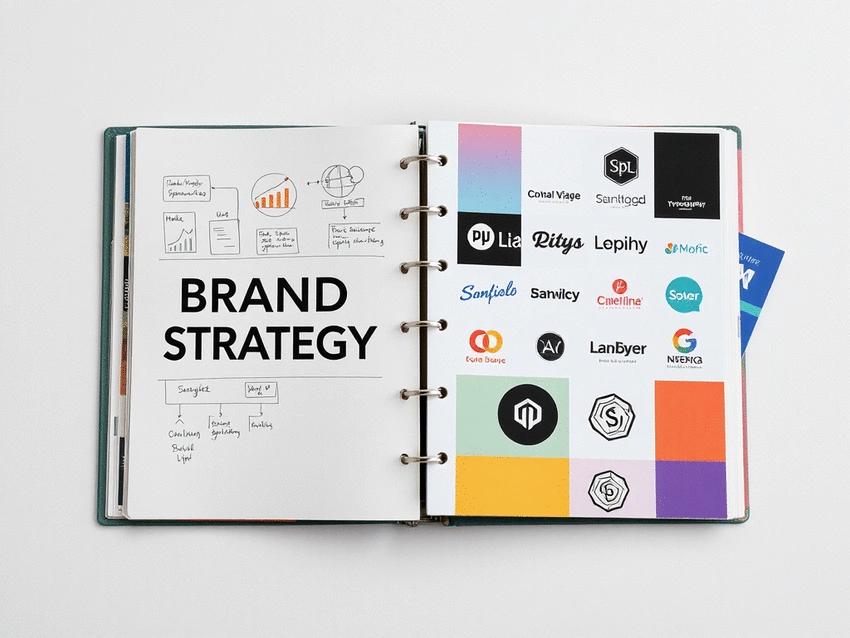
This comparison highlights the fundamental differences and interconnectedness between Brand Strategy and Brand Identity, essential for effective branding. For a deeper dive into the foundational elements, consider understanding brand strategy for small businesses.
A comprehensive plan for positioning and goals. It's the foundational roadmap guiding how a business positions itself in the market, identifies its target audience, and achieves its objectives.
The visual and verbal representation of a brand. It's the face of your business, communicating its personality and fostering recognition and emotional connection.
At Cling Digital, we often see small to mid-sized businesses grappling with the concepts of brand strategy and brand identity. Understanding these terms is crucial because they serve as the backbone of effective branding. Brand strategy acts as a foundational roadmap, guiding businesses on how to position themselves in the market, identify their target audience, and achieve their goals. It encompasses several key components:
By clearly defining these elements, businesses can pave the way for a coherent and compelling brand that resonates with their audience.
A well-articulated brand strategy is more than just a buzzword; it’s a comprehensive plan that aligns your brand’s mission with actionable steps. It sets the direction for your branding efforts, ensuring that every advertisement, social media post, and customer interaction reflects your core values. Without a solid brand strategy, businesses risk becoming lost in a sea of competitors, unable to effectively communicate their unique value.
At Cling Digital, we emphasize the importance of these core components during our discovery sessions with clients. This process allows us to capture the essence of their brand and develop strategies that are not only innovative but also practical! Our insights into AI's impact on brand identity also play a significant role in modern brand development.
Brand identity is the face of your business; it includes both visual and verbal elements that communicate your brand's personality. Visual elements like your logo and color palette are what customers first notice, while verbal elements, such as your tone and messaging, create a deeper connection. Together, they serve to create a cohesive brand presence.
A strong brand identity not only sets you apart but also builds trust with your audience, making them more likely to engage with your brand. At Cling Digital, we focus on blending these elements seamlessly, ensuring that your brand tells a consistent story across all platforms.
While brand strategy and brand identity are interconnected, they serve distinct purposes. Understanding these differences is essential for creating a brand that not only stands out but also conveys a clear message to your audience.
Let’s break down the key similarities and differences between brand strategy and brand identity:
| Aspect | Brand Strategy | Brand Identity |
|---|---|---|
| Definition | A comprehensive plan for positioning and goals. | The visual and verbal representation of a brand. |
| Focus | Long-term vision and market positioning. | Immediate recognition and emotional connection. |
| Components | Mission, audience, goals, positioning. | Logo, messaging, colors, tone. |
By understanding these distinctions, businesses can ensure that their messaging and presence in the marketplace remain aligned and impactful.
Misalignment between brand strategy and identity can lead to what we call hollow branding. This occurs when a brand’s visuals do not reflect its true mission or values. For example, if a company touts innovation as its core mission but presents a dated logo and branding, it creates confusion and mistrust among potential customers. At Cling Digital, we strive to avoid this by ensuring each client’s brand strategy and identity are in harmony, creating a lasting impression. Our approach often involves hybrid branding, merging creativity and AI for optimal results.
By recognizing these differences, businesses can avoid pitfalls and build brands that resonate authentically with their audience. Let's work together to achieve that alignment!
A cohesive brand strategy and identity can transform your business. To ensure alignment, regularly revisit your brand’s mission and audience insights. This will help you refine your visuals and messaging, keeping them relevant and engaging as your business evolves.
Brand strategy is the comprehensive plan outlining your mission, target audience, positioning, and goals. Brand identity is the visual and verbal representation of that strategy, including elements like your logo, colors, tone, and messaging.
A strong brand strategy provides a roadmap for your business, guiding all branding efforts. It helps differentiate you from competitors, clarifies your unique value, and ensures consistency in communication, preventing your business from getting lost in the market.
"Hollow branding" occurs when there's a misalignment between a brand's strategy and its identity. For example, if a brand claims to be innovative but its visual elements (like a logo) appear outdated, it creates confusion and erodes trust with customers.
Brand identity comprises both visual and verbal elements. Visual elements include your logo, color palette, typography, and imagery. Verbal elements include your brand voice, messaging, and storytelling.
Businesses can ensure alignment by clearly defining their mission, target audience, and goals (brand strategy) and then translating these into consistent visual and verbal expressions (brand identity). Regularly reviewing and refining these elements, often with expert guidance, helps maintain harmony.
Understanding the distinction between brand strategy and brand identity is essential for any business looking to build a strong market presence. Brand strategy serves as the roadmap, outlining where your brand is headed and how it will get there. On the other hand, brand identity is the visual and verbal expression that communicates your brand's essence to the outside world.
This differentiation is not just theoretical. A clear grasp of these concepts can prevent misalignment that leads to ineffective branding. When businesses like Cling Digital forge a coherent link between their strategy and identity, they foster authentic connections with their target audience, enhancing overall brand loyalty!
As we explore further, it's crucial to recognize that effective branding is not merely about aesthetics; it's about building relationships and conveying value consistently.
Are you ready to take your brand to the next level? Start by assessing your current brand strategy and identity. This is a pivotal exercise that can reveal areas for growth and improvement. At Cling Digital, we often guide our clients through deep discovery sessions that uncover the true voice and values of their brands.
To facilitate this process, consider these actionable steps:
Ready to get started? Reach out to us today and let’s explore how we can transform your branding experience, ensuring your business stands out with a compelling and cohesive identity!
Brand storytelling is a powerful tool that can significantly enhance the connection between your brand strategy and identity. By weaving narratives that resonate emotionally with your audience, you not only differentiate your brand but also foster a sense of community. This approach is vital in today’s digital landscape, where consumers increasingly seek authenticity and connection. For more insights on this, read about Cling Digital's hybrid branding success.
Here are some effective strategies to enhance your brand through storytelling:
At Cling Digital, we believe that every brand has a unique story waiting to be told. By embracing storytelling, you can create a deeper emotional bond with your audience, leading to increased loyalty and engagement. Let’s work together to craft a narrative that reflects your brand's essence and strengthens its presence in the market!
Here is a quick recap of the important points discussed in the article:
By Evelyn Carter / Jun 18
By Evelyn Carter / Jun 14
By Evelyn Carter / Jun 02